
Humor doesn’t emerge from perfection—it’s forged in chaos, competition, and cramped bathrooms. Bob Hope’s famous line—“I grew up with six brothers. That’s how I learned to dance—waiting for the bathroom.”—is more than a one-liner. It’s a masterclass in resilience, timing, and perspective. Behind the laugh lies a lifetime of lessons on relationships, aging, and navigating the absurdity of both personal and political life.
This quote, often shared as a standalone gem, reveals how early family dynamics shaped Hope’s comedic voice—and, by extension, how everyday friction can become the foundation of wisdom. Let’s dismantle the layers beneath this statement and uncover why it still resonates across generations.
The Family Crucible: How Sibling Rivalry Builds Character
Growing up in a household with seven boys wasn’t just loud—it was a training ground for survival. Bob Hope, born Leslie Townes Hope in 1903, was the fifth of seven sons. Space was tight, attention scarcer. In such environments, humor isn’t a luxury—it’s a tool. It disarms tension, wins favors, and carves out identity.
His bathroom joke isn’t just about physical space. It’s about negotiation, patience, and the art of deflection. Waiting your turn teaches timing—the same skill that powers a perfect punchline. In families with multiple siblings, you learn early: to be heard, you must be memorable.
Real-life implication: Many comedians—Jerry Seinfeld, Chris Rock, Ellen DeGeneres—trace their timing and observational skills to crowded childhood homes. The sibling dynamic forces you to refine your voice, anticipate reactions, and adapt on the fly. Hope didn’t just learn to “dance” physically—he learned comedic rhythm.
Common mistake: People dismiss such stories as nostalgia. But they’re behavioral blueprints. The way you negotiate space as a kid often mirrors how you handle conflict as an adult.
Humor as Emotional Survival in Relationships
Hope’s quote hints at a deeper truth: laughter isn’t just entertainment—it’s emotional armor. In long-term relationships, whether familial, romantic, or professional, friction is inevitable. What separates functional bonds from fractured ones is often the ability to laugh at the mundane absurdities.
Consider the modern couple sharing a tiny apartment. One leaves dishes in the sink. The other steps on a Lego. Do they argue—or do they say, “Well, at least we’re not fighting over who gets the bathroom for 45 minutes”?
Hope’s humor works because it reframes inconvenience as shared experience. It’s inclusive, not mocking. That’s the hallmark of strong relationship humor: it unites, not divides.
Use case: A couple dealing with morning chaos might adopt a “six brothers rule”—acknowledging the madness with a wink. “Looks like we’re doing the bathroom tango again.” Suddenly, stress shifts to playfulness.
Limitation: Not all tension benefits from humor. Grief, betrayal, or deep insecurity require empathy, not punchlines. But for daily grinds? Hope’s approach offers relief.
Aging with Grace—And a One-Liner Ready
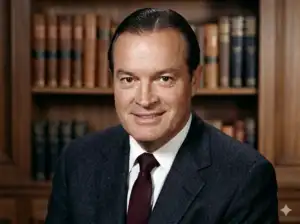
Bob Hope performed well into his 80s, delivering monologues to troops and at awards shows with the same sharp timing he had at 30. His quote about the bathroom dance isn’t just about youth—it’s a metaphor for aging itself.
As we age, “waiting” becomes a recurring theme: waiting for appointments, for family to visit, for energy to return. Hope’s joke transforms this passive act into something active, even artistic—dancing while you wait.
That mindset is crucial for emotional longevity. Studies show that older adults who maintain a sense of humor report higher life satisfaction and lower stress levels. Humor doesn’t erase aging—it helps you navigate it with dignity.
Practical example: A retiree frustrated by slow service at a diner could grumble—or say, “Back in my day, I danced for bathroom time. This wait’s nothing.” The reframe changes the emotional outcome.
Workflow tip: Keep a “humor journal.” When annoyed by age-related delays, write a one-liner about it. Over time, you build a personal arsenal of lightness.
Politics, Satire, and the Power of the Well-Timed Jab
Hope didn’t shy from politics. Over decades, he roasted presidents from Truman to Reagan, often performing for troops overseas during wartime. His bathroom quip, while personal, reflects a broader philosophy: use humor to expose truth without burning bridges.
In today’s polarized climate, political humor often devolves into mockery or tribal signaling. Hope’s style was different. He poked fun at power, but rarely at people’s core identities. His jokes were surgical, not scorched-earth.
His brother-filled upbringing may have taught him balance. In a house of seven boys, you learn quickly: attack too hard, and you’ll pay for it at dinner. Comedy, like coexistence, requires restraint.
Realistic application: When discussing politics today, try injecting Hope-style levity. Instead of “This policy is destroying the country,” try, “If this were a family dinner, we’d need a bigger table—and a stronger punchline.” It lowers defenses.
Caveat: Humor in politics walks a tightrope. What’s funny to one group feels dismissive to another. The key is targeting systems, not individuals.
The Enduring Appeal of Bob Hope’s Wisdom
Why does this quote persist? Because it’s relatable infrastructure. Everyone has waited—too long—for something basic: a turn, a response, a break. Hope turns helplessness into agency. You’re not just waiting—you’re dancing.
That reframe is everything.
Modern life is full of metaphorical bathroom lines: slow internet, traffic jams, inbox overload. Hope’s mindset teaches us to occupy those moments with grace and wit.
Examples in action: - A remote worker stuck in a lagging Zoom call: “Back when I had six brothers, I danced. Now I just mute and stretch.” - A parent in a pediatric waiting room: “This is the longest bathroom line I’ve had since 1978.”
The template works because it’s human.
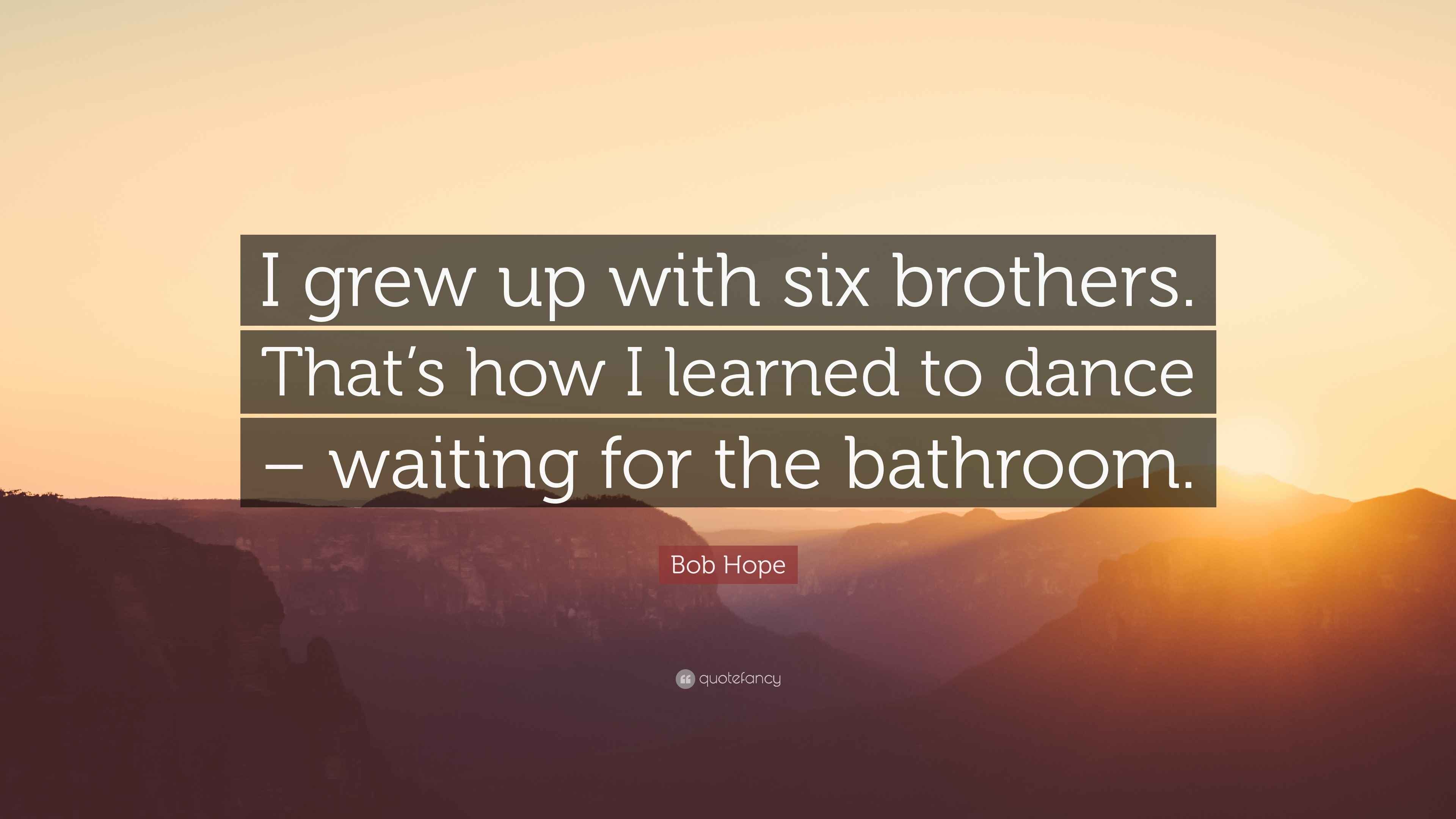
Why This Quote Still Ranks in “Quote of the Day” Feeds
Bob Hope’s bathroom line is a favorite in quote calendars and social media for good reason. It’s: - Short (under 15 words) - Visual (you can picture the dance) - Universally relatable - Layered (funny on surface, deep underneath) - Emotionally intelligent
Compare it to other “quote of the day” contenders: - Inspirational but vague: “Be the change.” - Clichéd: “Follow your dreams.” - Morbid: “Life is short.”
Hope’s line stands out because it’s specific, witty, and rooted in lived experience. It doesn’t just inspire—it connects.
Editorial insight: The best quotes aren’t wisdom dropped from the sky. They’re wisdom worn in, lived through, and polished by time.
Applying Bob Hope’s Mindset Today
You don’t need six brothers to use this philosophy. But you do need to recognize that friction is inevitable—and that your response to it defines your quality of life.
- Actionable steps:
- Reframe delays as performances. Stuck in line? Mentally choreograph your “wait dance.”
- Use humor to defuse tension. In arguments, ask: “If this were a Bob Hope bit, how would it end?”
- Share stories, not just opinions. People remember anecdotes, not lectures.
- Age with punchlines, not complaints. “I’m not slow—I’m in my final dance routine.”
Hope’s legacy isn’t just jokes. It’s a lifestyle: resilient, adaptive, and always ready with a smile.
Bob Hope’s bathroom quip is more than a laugh. It’s a lesson in how family shapes voice, how humor sustains relationships, and how to age—and engage in politics—with grace. In a world that often feels too serious, too fast, or too divided, sometimes the best thing we can do is learn to dance while we wait.
FAQ
What did Bob Hope mean by “I learned to dance waiting for the bathroom”? He used humor to describe the chaos of growing up with six brothers, turning a daily frustration into a metaphor for timing, patience, and resilience.
How many brothers did Bob Hope have? Bob Hope had six brothers—seven boys in total.
Did Bob Hope serve in the military? No, he didn’t serve, but he became famous for entertaining troops during WWII, the Korean War, and Vietnam.
Why is Bob Hope’s humor still relevant today? His comedy focused on relatable, everyday situations with sharp timing and warmth—qualities that transcend generations.
What was Bob Hope’s most famous contribution to American culture? His USO performances for soldiers and his role in shaping the modern stand-up and monologue format on television.
How can I use humor like Bob Hope in daily life? Focus on light, observational jokes about shared experiences—traffic, technology fails, family quirks—without targeting individuals.
Was Bob Hope political? Yes, he was openly conservative and close to several Republican presidents, but his comedy often poked fun at all sides with wit, not venom.
FAQ
What should you look for in Bob Hope's Best Quote on Brotherhood, Humor, and Life? Focus on relevance, practical value, and how well the solution matches real user intent.
Is Bob Hope's Best Quote on Brotherhood, Humor, and Life suitable for beginners? That depends on the workflow, but a clear step-by-step approach usually makes it easier to start.
How do you compare options around Bob Hope's Best Quote on Brotherhood, Humor, and Life? Compare features, trust signals, limitations, pricing, and ease of implementation.
What mistakes should you avoid? Avoid generic choices, weak validation, and decisions based only on marketing claims.
What is the next best step? Shortlist the most relevant options, validate them quickly, and refine from real-world results.


:max_bytes(150000):strip_icc():focal(728x275:730x277)/princess-catherine-prince-william-donald-trump-king-charles-iii-trump-state-visit-uk-windsor-091725-8672599a27214b6f8ffdbb07fd7596e4.jpg)