Workplace incidents don’t usually stem from one massive failure—they’re often the result of small oversights piling up. That’s where toolbox talks come in. Short, focused, and timely, these safety huddles are more than just compliance checkboxes. When led with intention and relevant topics for toolbox talks, they become powerful tools for shaping behavior, reinforcing protocols, and preventing accidents.
Yet, many teams treat them as routine rituals rather than meaningful conversations. The real issue? Repetitive, outdated, or irrelevant content. If your crew rolls their eyes when it’s “talk time,” it’s not the format failing—it’s the topic selection.
A well-chosen toolbox talk topic does three things: it’s timely, it’s specific, and it invites participation. Whether you work in construction, manufacturing, utilities, or facilities maintenance, the right topic can shift awareness, spark discussion, and ultimately save lives.
Below are high-impact topics for toolbox talks, organized by real-world relevance and risk exposure.
Why Topic Relevance Dictates Safety Outcomes
A generic “slips, trips, and falls” talk might check a box, but it won’t stick unless it connects to what workers are actually doing today. Relevance determines retention.
For example, discussing ladder safety during a roofing job delivers immediate value. Deliver the same talk in winter during indoor electrical work, and it loses urgency.
The most effective toolbox talks follow the 3T Rule: - Task-specific (directly related to current work) - Time-sensitive (timely to season, project phase, or incident trend) - Team-driven (encourages crew input and real discussion)
Use near-miss reports, recent incidents, weather changes, or new equipment arrivals to guide your topic selection.
Common mistake: Running through a pre-made list in order, regardless of current site conditions. This turns safety into a script, not a conversation.
High-Impact Topics for High-Risk Tasks
Certain jobs carry higher inherent risks. Toolbox talks should prioritize these, especially when crews rotate or new workers join.
#### Working at Heights Falls remain the leading cause of death in construction. A focused talk should cover: - Proper harness inspection and donning technique - Anchor point verification - Weather factors (wind, rain, icy surfaces) - Rescue planning—how long before help arrives?
Example: A crew installing rooftop HVAC units needs more than “wear your harness.” Discuss how to safely transfer between sections, where anchor points must be, and what to do if a fall occurs—even if arrested.
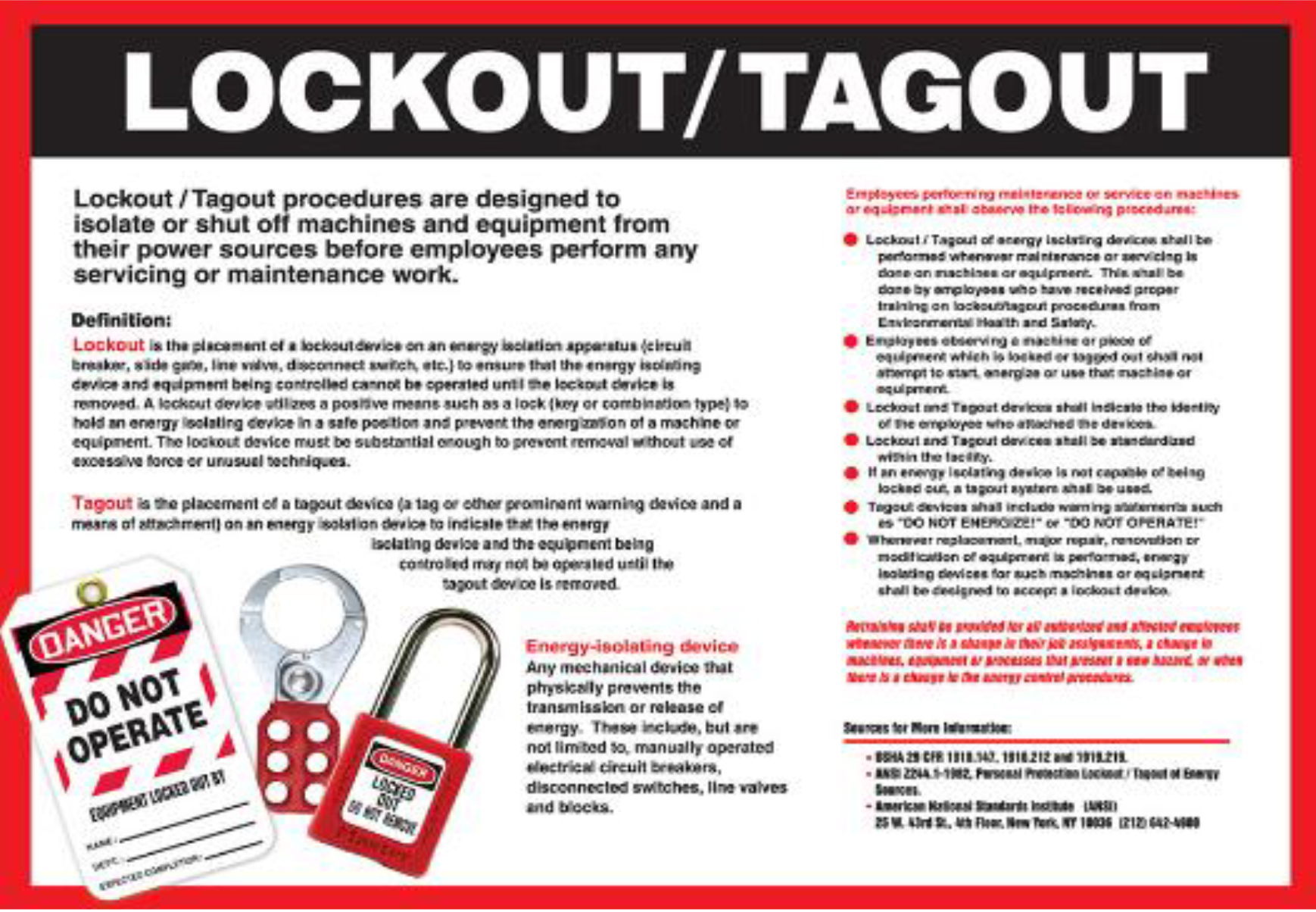
#### Electrical Safety Many electrical incidents happen during routine tasks. Topics should address: - Lockout/tagout (LOTO) procedures - Voltage testing before contact - PPE requirements for different voltage levels - Hidden risks (e.g., damaged cords, temporary power setups)
Real use case: An electrician bypassed LOTO because “it was just 10 minutes.” That brief lapse led to an arc flash. A targeted toolbox talk on shortcut risks could prevent repeat incidents.
#### Confined Space Entry These environments are unforgiving. Talks must cover: - Permit requirements - Atmospheric testing protocols - Communication methods - Rescue equipment availability
Critical point: Emphasize that being aware of a confined space isn’t enough—procedures must be followed every time, even for “quick checks.”
Everyday Hazards That Need Regular Reinforcement
Not all risks are flashy. Some of the most common injuries come from mundane oversights.
#### Manual Handling and Ergonomics Back injuries don’t make headlines, but they sideline workers for weeks. A strong talk includes: - Proper lifting mechanics (bend knees, keep load close) - Use of mechanical aids (dollies, hoists) - Team lifts for heavy or awkward loads - Recognizing early signs of strain
Practical tip: Demonstrate incorrect vs. correct lifting with a tool bag or pipe. Let workers feel the difference in strain.
#### Housekeeping and Trip Hazards Cluttered sites aren’t just messy—they’re dangerous. Address: - Daily cleanup responsibilities - Cable management across walkways - Storage of tools and materials - Reporting blocked exits or fire extinguishers
Worksite reality: A trailing extension cord caused a fall that broke a worker’s wrist. The cord wasn’t “left there”—it was “just for now.” Reinforce that “just for now” is the enemy of safety.
#### PPE Compliance Beyond the Basics Hard hats and steel toes are standard, but are they being used correctly?
Talks should cover: - When to replace damaged PPE - Proper fit (e.g., hard hat suspension, glove grip) - Situational adjustments (e.g., hearing protection in high-noise areas) - Why comfort doesn’t override protection
Example: Workers removing gloves to “feel” connections during wiring—this increases shock and cut risk. Use real photos or near-miss examples to drive the point.
Seasonal and Environmental Topics
Weather and environment change risk profiles. Smart teams adjust their toolbox talk calendar accordingly.
#### Heat Stress Prevention In summer, talk about: - Early signs of heat exhaustion (dizziness, nausea, headache) - Hydration schedules (sip, don’t chug) - Rest breaks in shaded or cooled areas - Buddy system monitoring
Pro tip: Assign a “heat watcher” each day—someone trained to spot early symptoms.
#### Cold Weather Hazards Winter introduces slips, reduced dexterity, and hypothermia risks. Cover: - Layering clothing effectively - Insulated, slip-resistant footwear - Recognizing frostnip vs. frostbite - Equipment cold-start procedures
Use case: A worker ignored numb fingers, thinking it was “just cold.” Result: permanent nerve damage. A short talk could have changed the outcome.
#### Night Work Safety Low visibility increases risk. Key points: - High-visibility clothing requirements - Lighting setup and inspection - Communication clarity in noisy, dark environments - Fatigue management
Workshop insight: Use a photo of your site at night—ask the crew, “Where are the blind spots?”
Human Factors and Behavioral Safety Topics
Many incidents stem not from broken systems, but from human behavior.
#### Fatigue and Alertness Tired workers make poor decisions. Discuss: - Signs of fatigue (slow reaction, irritability, microsleeps) - Impact on coordination and judgment - Reporting concerns without stigma - Scheduling and rest expectations
Red flag: Workers “pushing through” long shifts. Normalize taking breaks and speaking up.
#### Complacency and Shortcut Culture Experience can breed overconfidence. Address: - Why “I’ve done it this way for years” is a dangerous mindset - The cumulative risk of small deviations - How peer pressure to “hurry up” undermines safety
Engagement idea: Have workers share a time a shortcut nearly caused an incident—anonymous stories often resonate most.
#### Situational Awareness Being “present” on the job prevents reactive errors. Focus on: - Scanning the environment before starting work - Identifying moving equipment and blind zones - Communication gaps in high-noise areas - Mental distractions (personal stress, fatigue)
Exercise: Conduct a 60-second “awareness scan” before the talk—ask what each person noticed in their immediate area.
How to Rotate and Schedule Topics Strategically
Random or repetitive topics waste time. Build a rotating schedule that aligns with:
- Project phases (excavation, electrical rough-in, finishing)
- Seasons (heat, rain, snow, high winds)
- Incident trends (review monthly safety data)
- New equipment or procedures
Create a 12-week calendar with themes: - Week 1–3: Fall protection - Week 4–6: Electrical safety - Week 7–9: Equipment operation - Week 10–12: Human factors
Revisit high-risk topics quarterly. Use incident reports to trigger immediate talks—don’t wait for the next scheduled session.
Pro tip: Assign crew members to lead occasional talks. Ownership increases engagement.
Closing: Make Every Talk Count
Toolbox talks aren’t about ticking a box—they’re about changing behavior. The right topics for toolbox talks don’t just inform; they connect, challenge, and prepare workers for real risks.
Stop recycling outdated slides. Start asking: What could go wrong today? Then build your talk around that answer.
Choose relevance over routine. Prioritize high-risk tasks. Rotate with intention. Encourage dialogue, not monologue.
When done right, a 10-minute talk can prevent a lifetime of regret.
FAQ
What are the most common toolbox talk topics? Common topics include working at heights, PPE use, electrical safety, slips/trips/falls, and LOTO procedures—especially when aligned with current site activities.
How often should toolbox talks be held? Ideally weekly, or before starting high-risk tasks. More frequent talks may be needed during critical phases or after incidents.
Who should lead a toolbox talk? Supervisors typically lead, but rotating among experienced crew members increases engagement and shared responsibility.
Should toolbox talks be documented? Yes. Record date, topic, attendees, and key discussion points for compliance and tracking.
Can toolbox talks reduce workplace incidents? Yes—when relevant and interactive. Studies show regular, focused safety talks reduce incident rates by reinforcing awareness and procedures.
How long should a toolbox talk last? Keep it between 5 to 15 minutes. Focus on one clear topic with room for questions.
What makes a toolbox talk effective? Clarity, relevance, participation, and a direct link to current work. Real examples and open discussion beat scripted lectures every time.
FAQ
What should you look for in Effective Topics for Toolbox Talks to Boost Safety? Focus on relevance, practical value, and how well the solution matches real user intent.
Is Effective Topics for Toolbox Talks to Boost Safety suitable for beginners? That depends on the workflow, but a clear step-by-step approach usually makes it easier to start.
How do you compare options around Effective Topics for Toolbox Talks to Boost Safety? Compare features, trust signals, limitations, pricing, and ease of implementation.
What mistakes should you avoid? Avoid generic choices, weak validation, and decisions based only on marketing claims.
What is the next best step? Shortlist the most relevant options, validate them quickly, and refine from real-world results.
:max_bytes(150000):strip_icc():focal(728x275:730x277)/princess-catherine-prince-william-donald-trump-king-charles-iii-trump-state-visit-uk-windsor-091725-8672599a27214b6f8ffdbb07fd7596e4.jpg)